Prices
  Request a call back
  Moving Guides
  Free quote
 Tate Britain to Riverside moves: Pimlico gallery logistics
Posted on 15/05/2026
Moving a gallery, studio, framed collection, or specialist display from Tate Britain toward the Riverside side of Pimlico is not a standard house move. Not even close. The route may look short on a map, but gallery logistics can become complicated fast: awkward access, fragile items, narrow stairwells, timed loading windows, visitor traffic, and the simple fact that art objects do not forgive sloppy handling. If you are planning Tate Britain to Riverside moves: Pimlico gallery logistics, the real job is not just transportation. It is coordination, protection, timing, and calm decision-making.
This guide breaks down how local gallery and art-related moves in Pimlico usually work, what makes them different from ordinary removals, and how to reduce risk without making the process more stressful than it needs to be. You will also find practical checks, common mistakes, and a realistic step-by-step approach you can actually use. To be fair, that is what most people need: fewer surprises on moving day and a plan that holds up when the lift is late or the van space is tighter than expected.
Why Tate Britain to Riverside moves: Pimlico gallery logistics Matters
Gallery moves sit somewhere between removals and project management. If the collection includes framed works, plinths, lighting, portable screens, sculptures, archival boxes, or even a piano used for performances, the job becomes part logistics, part risk control, and part respect for the objects themselves. A tiny knock can be enough to chip a frame, scuff a pedestal, or send a day off balance.
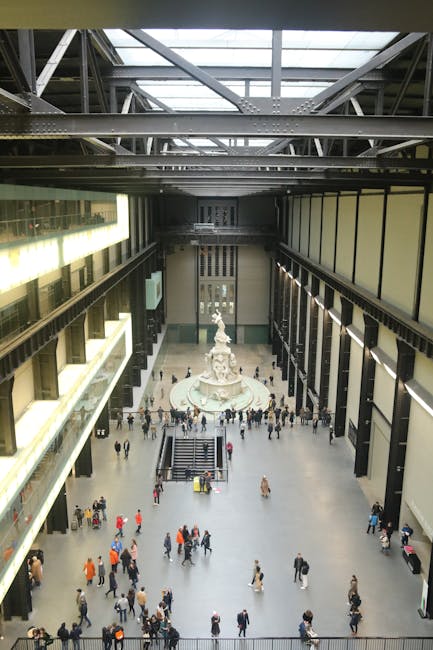
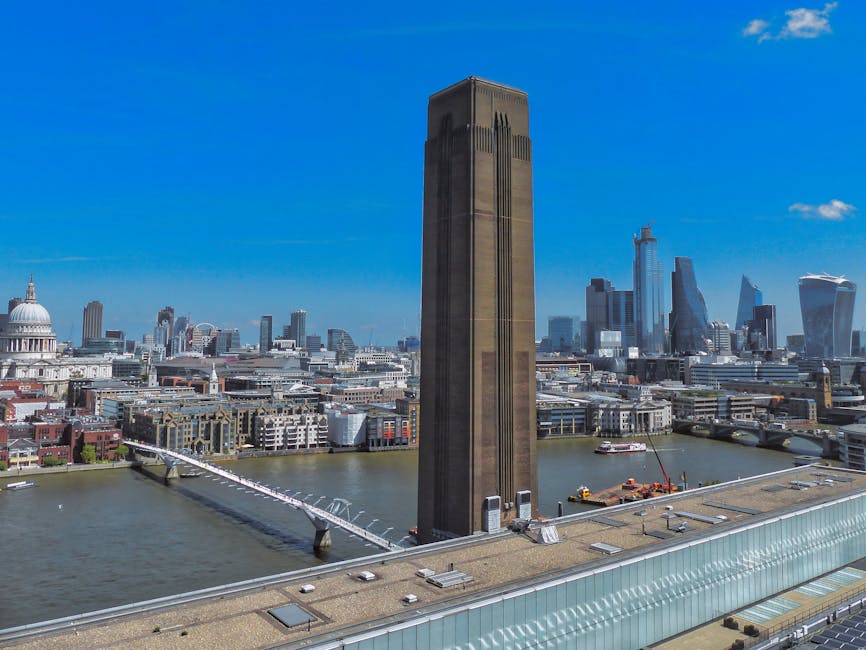
The Pimlico area adds its own layer. Roads can be busy, access can be tight, and loading needs to be planned with real-world constraints in mind. In and around Tate Britain, you also have the flow of visitors, event schedules, and the practical issue of getting equipment in and out without clogging walkways. On the Riverside end, the destination might be a gallery, office, private residence, or mixed-use space, each with different access and handling needs.
That is why the phrase Tate Britain to Riverside moves: Pimlico gallery logistics is really shorthand for a careful chain of tasks: survey, pack, protect, load, transport, unload, and place items exactly where they need to go. Miss one link and the whole thing starts wobbling.
If you are also weighing wider local moving support, it can help to review the full range of removal services in Pimlico and understand the practical differences between specialist and general-purpose moves. For background on the team and how they work locally, learn more about the company here.
How Tate Britain to Riverside moves: Pimlico gallery logistics Works
A proper gallery move starts before the first box is touched. Truth be told, the physical lifting is often the easiest part if the plan is good. The work usually begins with a route and access review. That means checking entrances, stair widths, lift sizes, parking restrictions, and the distance from the vehicle to the collection point.
Then comes inventory. This is more than a list of objects. It should note dimensions, materials, condition issues, special handling requirements, and whether anything needs anti-static wrap, acid-free packing, or a crate. Even a modest display can involve a surprising amount of detail once you start tagging everything properly.
For the journey itself, a gallery move from Tate Britain toward Riverside areas in Pimlico often benefits from a smaller, more manoeuvrable vehicle, especially where streets are narrow or parking is limited. In some cases, a man with a van service in Pimlico is enough for light, carefully prepared loads. In others, you will need a fuller team, protective equipment, and a more structured loading sequence.
The move should be staged in a sensible order:
- Confirm the collection list and final destination layout.
- Check access, timings, and any building rules.
- Prepare protective packing materials.
- Wrap, label, and separate fragile items.
- Load heavier and sturdier items first, delicate pieces last.
- Travel using the route that best fits vehicle size and timing.
- Unload into pre-agreed zones, not just "somewhere safe".
If the move includes framed works or object-heavy items, consider whether a more specialist approach is needed. For example, musical instruments, particularly upright pianos used in galleries or event spaces, are best handled separately and carefully; piano removals in Pimlico are a good reference point for that kind of protection mindset.
Key Benefits and Practical Advantages
The biggest benefit of planning gallery logistics properly is simple: fewer losses, less damage, and far less stress. But there are other practical gains too, and they matter.
- Better control over fragile items: Art objects, frames, and display materials move more safely when packed according to their shape and finish.
- Cleaner scheduling: A timed and organised move reduces the chance of conflicts with public access, building management, or event schedules.
- Lower disruption: For businesses and galleries, good logistics keeps the site usable rather than turning it into a half-finished storage zone.
- More efficient unpacking: Labels, room plans, and destination notes save a huge amount of time at the other end.
- Less unnecessary handling: Every extra lift is a risk. Good planning keeps handling to a minimum.
There is also a quieter benefit, and maybe the most underrated one: peace of mind. If you know who is moving what, where it is going, and what happens if there is a delay, the whole day feels more manageable. Not glamorous, perhaps, but very real.
For readers comparing local options, it can be helpful to review how Pimlico removal companies differ and what support level each one offers. Some projects just need a van and a careful pair of hands. Others need a broader team and a more layered plan.
Who This Is For and When It Makes Sense
This kind of move is not only for museums. It is useful for a wide range of people and organisations in and around Pimlico.
- Gallery owners and curators relocating temporary exhibitions or rotating display stock.
- Artists and collectors moving framed pieces, sculptures, or installations between storage and display space.
- Interior designers managing installations for show homes, hospitality spaces, or private clients.
- Office teams moving reception art, presentation pieces, or branded installations.
- Private clients who want careful handling for valuable or sentimental artwork.
- Students and small creators with compact but delicate loads needing a simple, well-timed move.
It makes sense when the move includes more than basic cardboard boxes. It also makes sense when access is awkward, the schedule is tight, or the objects are valuable enough that you would rather spend a little extra time on planning than take an avoidable risk.
If you are not sure whether a Pimlico move suits your setup, this local guide on whether Pimlico is a good fit offers a useful way to think through the practical side of living and working in the area. For broader property and occupancy planning, the articles on smart Pimlico property choices and investing in Pimlico properties also help frame the local context.
Step-by-Step Guidance
Here is a practical way to handle gallery logistics without overcomplicating it.
1. Start with a proper site survey
Walk the route from the loading point to the vehicle. Then walk it again with your destination in mind. Look for door clearances, tight turns, stairs, lift sizes, and places where people naturally gather. A corridor that looks fine on paper can become awkward fast when you are carrying a framed piece wider than expected.
2. Build a packing plan around the objects, not the schedule
Do not start by asking, "How quickly can we get this out?" Start by asking, "What needs the most protection?" That shift sounds minor, but it changes the whole move. Glass-fronted frames, delicate surfaces, and objects with protruding mounts should be packed before straightforward items.
3. Label everything clearly
Use labels that tell the team where each item is going, which way up it should travel, and whether it is fragile. Basic labels are fine, but a more detailed system is better for mixed collections. In our experience, the best labels are the ones people can read at a glance when the morning gets busy and nobody wants to guess.
4. Match the vehicle to the job
Not every move needs the same van size. A smaller removal van may be ideal for a compact gallery move or a short local transfer. If the destination has restricted access or no easy parking, compact can be much better than oversized. A local removal van in Pimlico can be a good fit when access is tight and the load is organised carefully.
5. Protect the path, not just the item
Blankets, floor protection, corner guards, and door padding matter. A lot. Damage often happens in the transition between spaces, not during the drive itself. One scratched wall or scuffed stair edge can become a long afternoon of apologies, which nobody enjoys.
6. Load with a placement plan
Heavy and stable items should go in first, with fragiles secured separately and never squeezed in as an afterthought. There should be a clear unloading order too. If the destination has limited floor space, pre-assign the drop zones before the van even arrives.
7. Confirm arrival and sign-off
Once the items arrive, do a quick condition check against the inventory. This does not need to be dramatic. Just systematic. If anything looks off, note it straight away while the context is fresh.
Expert Tips for Better Results
A few details make a real difference.
- Keep one person in charge of decisions. Too many voices slow the move down and create conflicting instructions.
- Use the smallest practical number of handovers. Every extra transfer adds risk. Keep the chain short where possible.
- Pre-clear access with the building or site manager. You do not want a forgotten gate code or a surprise loading restriction at 9:30 a.m.
- Take photos before packing. Quick images of the condition and arrangement can be useful later, especially for collections with delicate surfaces.
- Plan for the awkward item first. The awkward item always sets the tone. If you solve that one, the rest often feels easier.
One small but useful habit: keep a separate essentials bag for tape, gloves, marker pens, spare labels, microfiber cloths, and any paperwork you need on the day. It sounds obvious, yet somehow these things vanish the minute you need them. Classic move-day behaviour, really.
If your move overlaps with office or studio operations, it may help to read more about office removals in Pimlico and compare what an operational move needs versus a display-only move. The differences are subtle at first, then suddenly very obvious when the team is trying to keep a workspace live.
Common Mistakes to Avoid
Most problems come from a few repeat errors. None of them are mysterious.
- Assuming the route is "just local". Short distance does not mean easy access.
- Skipping a condition check. If you do not document the starting state, it is harder to spot problems later.
- Using loose packing for fragile pieces. If something can slide, rattle, or lean, it probably will.
- Underestimating timing. Gallery moves nearly always take longer than a casual household transfer.
- Not matching the vehicle to the access. A bigger van is not always a better van. Sometimes it is just a headache with wheels.
- Forgetting the destination layout. Unpacking without a plan turns into box shuffling.
Another quiet mistake is treating insurance and safety as paperwork to deal with later. That is backwards. You want clarity before the move, not after the problem. If you are reviewing provider safeguards, the company's insurance and safety information is worth checking early in the process.
Tools, Resources and Recommendations
You do not need a warehouse full of equipment, but the right tools help a lot. For gallery logistics, these are the basics that usually earn their keep.
| Tool or resource | What it helps with | Why it matters |
|---|---|---|
| Acid-free tissue or wrap | Protecting delicate surfaces and finishes | Reduces unwanted marks and contact damage |
| Picture sleeves and corner protectors | Framed works and prints | Keeps edges from being knocked or chipped |
| Blankets and padded wraps | General transport protection | Useful for heavier or mixed materials |
| Marker pens and inventory sheets | Labelling and tracking | Prevents confusion at loading and unloading |
| Floor and door protection | Buildings, stairwells, and entrances | Reduces scuffs in tight spaces |
| Quotation and scheduling support | Planning the move properly | Helps you compare services before you commit |
If you are still weighing service level, pricing and quotes guidance can help you compare what is included and what might be charged separately. That is useful, because a cheap-looking quote is not much help if it leaves packing, waiting time, or specialist handling out of the picture.
For packing support, packing and boxes in Pimlico is another good resource. For larger or more flexible jobs, the service overview gives a clearer sense of the options available.
Law, Compliance, Standards, or Best Practice
Gallery logistics can touch on safety, access, handling, and sometimes privacy if items or inventory records are sensitive. You do not need to turn the whole move into a legal exercise, but a sensible standard of care is essential.
At a practical level, this means checking:
- whether the building has access rules or booked loading times;
- whether the team handling the move is briefed on safe lifting and object handling;
- whether valuable items are covered by appropriate insurance arrangements;
- whether personal data, client lists, or inventory documents are handled securely;
- whether fire exits, public walkways, and shared entrances remain clear.
Best practice is usually more useful than chasing a "perfect" rulebook. Use a clear inventory, a named contact for decision-making, and a route plan that suits the building rather than forcing the building to suit the move. If you are working with external crews, ask how they approach safety, evidence of care, and any concerns that arise on site. The company's health and safety policy is a sensible place to start.
There is also the trust side. If the move involves client records, installation notes, or access details, you should understand how information is stored and used. That is where the site's privacy policy becomes relevant, even for a logistics-focused job.
Options, Methods, or Comparison Table
Different moves need different setups. Here is a plain-English comparison to help you decide what fits best.
| Method | Best for | Pros | Watch-outs |
|---|---|---|---|
| Man and van | Small gallery loads, short local transfers, flexible timings | Quick, agile, often easier in tight Pimlico streets | May not suit bulky or highly delicate collections |
| Dedicated removal van with packing support | Medium-sized moves with mixed items | Better protection and structure | Costs more than a basic van-only move |
| Specialist removal team | Valuable, fragile, or complex gallery logistics | Most control, more careful handling, better planning | Requires more scheduling and usually a higher budget |
For many local projects, the best answer is not the most expensive one. It is the one that matches the object mix, access, and timing. If a move is small but delicate, a well-prepared man and van in Pimlico can be practical. If the load is larger or spread across rooms, a more structured home removals approach may still offer useful packing and handling support. Different tools, different jobs.
Case Study or Real-World Example
Picture a modest gallery transfer from a Tate Britain area storage point to a Riverside-side premises in Pimlico. Nothing enormous. A few framed works, two plinths, a display shelf, some packed print portfolios, and a small number of signed documents that need to stay dry and organised.
The team starts with a site check in the early morning, while the road is still relatively quiet and the light has that pale London look. One entrance is straightforward. Another has a tighter corner than expected, so the crew chooses a route that avoids the awkward turn. The frames are wrapped individually, corners protected, and the larger items are loaded first so the van floor stays stable. The destination has a narrow internal corridor, so the receiving layout is marked in advance to keep unloading moving smoothly.
Nothing dramatic happens. And that is the point. The move feels almost boring from the outside, which in logistics terms is usually a compliment. The objects arrive clean, intact, and already assigned to their final positions. No one is rummaging through a pile of mixed boxes trying to find the one folder with the installation notes. Small victory. Big relief.
That kind of outcome is what good local planning buys you. It is quiet competence, basically. The best kind.
Practical Checklist
Use this before moving day.
- Confirm the full object list and final destination.
- Measure the biggest or most awkward pieces.
- Check loading access, lift size, stairs, and parking restrictions.
- Choose the right vehicle size and handling level.
- Prepare wrapping, boxes, labels, and floor protection.
- Assign a single point of contact for decisions.
- Take condition photos where useful.
- Separate fragile, valuable, and non-fragile items.
- Share any timing constraints with the moving team.
- Keep essential documents, keys, and contact numbers close.
- Check insurance and safety cover before the day.
- Plan the unloading order at the destination.
If you need a broader local moving service for a flat, studio, or mixed-use space around the route, the flat removals in Pimlico page may also be useful. For compact or time-sensitive jobs, same-day removals in Pimlico can be worth exploring, provided the access and packing are ready.
Conclusion
Tate Britain to Riverside moves: Pimlico gallery logistics is really about making a delicate process feel orderly. With the right packing, access planning, and vehicle choice, even a fiddly local move can go smoothly. The details matter more than most people expect, and that is especially true when the objects are valuable, fragile, or simply awkward to carry through narrow London spaces.
So the practical answer is this: plan early, keep the inventory tight, choose the right level of support, and do not treat short-distance moves as automatically simple. If you get those parts right, the rest tends to settle. Not always perfectly, because moving never really behaves itself, but close enough to make the day feel under control.
Get a free quote today and see how much you can save.
And if the job feels a bit too complex to juggle alone, that is fine. The safest move is often the one with the clearest plan.