Prices
  Request a call back
  Moving Guides
  Free quote
 Clearing waste after a Pimlico renovation: who removes what
Posted on 10/06/2026
Renovation projects in Pimlico have a habit of creating more mess than people expect. One minute you are admiring fresh paint and new flooring, the next you are staring at plaster bags, broken tiles, old units, packing wrap, and a hallway that looks like a builder's boot room after a long week. So, when it comes to clearing waste after a Pimlico renovation: who removes what, the answer is not always obvious.
That confusion matters. Some waste belongs to the main contractor, some to specialist trades, some to the homeowner or landlord, and some needs a separate collection because it is bulky, awkward, or simply not safe to leave on site. If you get the split wrong, you can end up paying twice, slowing the job down, or creating a little drama right when you want the finish line to feel calm.
This guide breaks it all down in plain English: who is usually responsible for what, how renovation waste is normally handled in Pimlico flats and houses, where the common grey areas are, and how to keep the project tidy without overcomplicating things. If you're also planning a wider move or refurbishment, you may find it useful to look at the full range of removal services in Pimlico or, for smaller loads and awkward access, a man and van option in Pimlico.
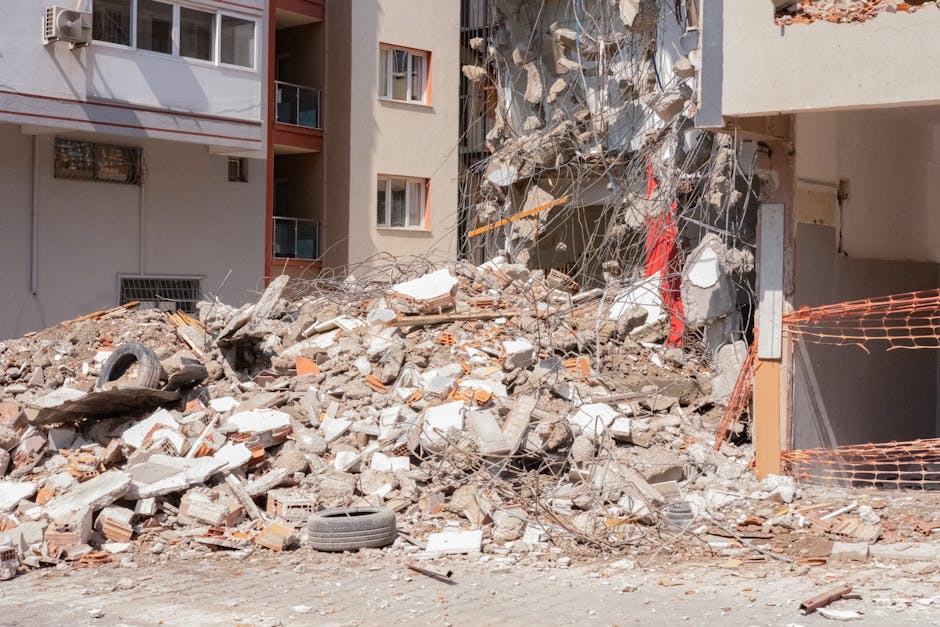
Why Clearing waste after a Pimlico renovation: who removes what Matters
Waste clearance is not just the final tidy-up. It affects safety, access, cost, neighbour relations, and the speed at which the next phase of work can start. In Pimlico especially, where many homes are flats, mansion blocks, converted terraces, or period properties with tighter access, waste management needs a bit more thought than a straight-out-of-the-garage job.
Renovation waste tends to arrive in waves. First there is demolition debris. Then packaging, offcuts, old fixtures, and surplus materials. After that come the stubborn items: wardrobes that do not fit through the hall, broken appliances, radiators, bathroom fittings, and the kind of random bits and pieces that seem to multiply overnight. You know the scene. Dust on the skirting board, one boot print on the landing, and a pile by the door that somehow became three piles.
Who removes what matters because different people on the job have different duties:
- Builders or main contractors usually handle day-to-day debris from their own work.
- Specialist trades may remove the waste they create, such as old kitchen units, bathroom rip-outs, or flooring offcuts.
- The property owner or landlord may be responsible for pre-existing waste, contents, or items not included in the works agreement.
- Removal or clearance teams are often brought in for bulky, awkward, or final-stage collections.
If these responsibilities are unclear, waste can sit around for days. That slows down decorating, creates trip hazards, and makes a place feel unfinished even when most of the work is done. To be fair, it is one of the easiest parts of a renovation to overlook and one of the easiest to get wrong.
How Clearing waste after a Pimlico renovation: who removes what Works
The cleanest way to think about renovation waste is by ownership and timing. Who created the waste? When was it created? Is it general rubble, recyclable material, hazardous waste, or a bulky item that needs a separate lift? Those questions usually tell you who should deal with it.
In a typical Pimlico renovation, the flow looks something like this:
- Demolition or strip-out creates the first batch of waste: plaster, tiles, timber, old fixtures, and packaging.
- Trade waste builds up during the works: offcuts, protective materials, old fittings, dust sheets, and scrap.
- Final clearance removes the leftovers once the job is almost finished: unwanted furniture, surplus materials, and anything too bulky for normal bins.
- Recycling and disposal separate reusable or recyclable items from residual waste.
In practice, main contractors usually take responsibility for keeping their own work areas clear. But that does not always mean they will take everything away at the end. Some agreements include a full clear-down; some only include routine day-to-day waste removal; others leave larger items or client-owned possessions out of scope entirely. This is where the paperwork matters. A lot.
For homeowners doing a smaller renovation, the split can be even more personal. If you are replacing a sofa, moving old books, or clearing storage before the builders arrive, that content-related waste is usually your responsibility. In that situation, a local clearance or removal van in Pimlico can be a neat way to keep the project moving without turning the hallway into a temporary warehouse.
There is also a practical rhythm to all this. Skilled crews tend to clear as they go, because nobody wants to work around piles of rubble or packaging. When people don't, the site starts to feel cramped, and the job gets slower and messier. A small difference, but you really notice it by day two.
Key Benefits and Practical Advantages
Handling waste properly after a renovation may not be glamorous, but it pays off in ways you will feel immediately.
- Safer access: fewer trip hazards, blocked corridors, and awkward corners.
- Faster progress: decorators, flooring installers, and cleaners can get on with the job.
- Lower stress: you are not making last-minute decisions about what to keep, skip, or dump.
- Better presentation: the property looks finished, not half-finished.
- Less neighbour friction: especially useful in shared buildings with limited communal space.
- Cleaner recycling choices: separating wood, metal, cardboard, and general waste is usually simpler when done early.
There is also a quiet financial advantage. If the right people remove the right waste at the right time, you avoid duplicate handling. For example, if a contractor agrees to remove all strip-out waste, you should not also pay someone else to haul the same rubble away. Likewise, if a homeowner hires a clearance team for bulky items, the contractor should not be trying to "helpfully" charge extra for items outside the agreed works. Happens more than you'd think.
For landlords, agents, and people preparing a flat for sale or re-let, proper waste clearance can make a property more marketable. A clean, empty, well-presented space always photographs better. If the project is tied to a move, it may also help to understand broader relocation planning through home removals in Pimlico or flat removals in Pimlico.
Who This Is For and When It Makes Sense
This topic matters to quite a few people, and not just homeowners with a full-scale refurbishment.
- Homeowners updating kitchens, bathrooms, or entire flats.
- Landlords refreshing rental units between tenancies.
- Buy-to-let investors improving value before letting or selling.
- Developers managing phased works in compact Pimlico properties.
- Office occupiers replacing furniture, partitions, or old fit-out materials.
- Students and sharers doing lighter refurbishments or end-of-tenancy clear-outs.
It makes sense to think about waste clearance early if your renovation is likely to involve:
- large items that will not fit in normal household bins;
- repeated deliveries and packaging waste;
- limited lift access or narrow staircases;
- shared entrances that need to stay clear;
- time-sensitive work where another trade is due immediately after.
That last one matters a lot. A painter waiting on a cleaner, a floor fitter waiting on rubble clearance, or a tenant waiting to move back in - all of that stacks up. If the property is in a busy part of SW1 and access windows are tight, it can make sense to combine clearance with a same-day collection plan, using something like same-day removals in Pimlico when timing is the real problem rather than the volume alone.
Step-by-Step Guidance
Here is a practical way to manage renovation waste without making the whole thing more complicated than it needs to be.
1. Split the waste by source
Start with a simple question: who created this waste? Contractor, tradesperson, homeowner, or previous occupier? If the answer is obvious, responsibility is usually clearer. If it is not, write it down before the project starts. A few lines in the scope of works can prevent a lot of back-and-forth later.
2. Separate bulky items from general waste
Old sofas, beds, wardrobes, cabinets, and awkward furniture should be treated separately from rubble or packaging. Bulky items take more space, often need more than one person to move, and may require different handling. If the furniture is particularly awkward or heavy, it may be worth reading more about bulky furniture removals in Pimlico.
3. Decide what gets recycled
Cardboard, clean wood, metal, and some fittings can often be separated from general waste. You do not need to become a recycling detective, but a sensible sort at source usually reduces the amount going in the mixed waste stream. That helps with cost control and, frankly, keeps the site less chaotic.
4. Confirm access and parking
Pimlico properties can have tricky access: controlled parking, narrow frontages, shared stairwells, and awkward loading points. Before collection day, confirm where a vehicle can stop, how long it can stay, and whether there is enough room to move items safely. If the building has lifts, check whether they can handle larger items; if not, plan for stair carries and adequate manpower.
5. Schedule clearance at the right moment
Do not leave waste clearance until the end if the project is phased. A mid-project clear-out often saves time. For example, once a kitchen strip-out is done, getting waste out before new cabinets arrive makes the next trade's work smoother. Simple. Almost boringly simple, really - which is usually how good planning feels.
6. Keep a handover list
At the end of the job, make a list of what has been removed and what remains. This is especially useful if multiple people have been on site. A quick handover note stops the classic "I thought someone else was taking that" conversation. And nobody enjoys that conversation on a Friday afternoon.
Expert Tips for Better Results
There are a few habits that make renovation clearance much smoother.
- Agree responsibilities before work starts. The less ambiguity, the better.
- Use one labelled area for keep/dispose/recycle. Three piles, one system.
- Protect shared areas. Hallways and lifts need respect, especially in blocks with close neighbours.
- Book clearance before the final rush. Waiting until everything is finished can be stressful and expensive.
- Keep fragile or valuable items separate. Don't let good materials get mixed in with rubble by mistake.
- Choose the right vehicle size. Too small means repeat trips; too large means wasted space and cost.
One small but useful trick: take a few photos before the waste is moved. That way, if there is any question about damage, missing items, or responsibility, you have a record. Not glamorous, but handy. Very handy.
If the renovation involves specialist or high-value items, such as a piano, the clearance plan needs extra care. For those situations, specialist handling matters more than speed, so it is worth exploring piano removals in Pimlico rather than assuming a standard clearance crew is enough.
Common Mistakes to Avoid
Waste clearance issues are usually caused by a few predictable mistakes. Easy to avoid, annoying when missed.
- Assuming the builder removes everything. They often do not.
- Mixing contractor waste with homeowner possessions. That makes sorting harder and can cause billing disputes.
- Leaving bulky items until the last day. It always becomes more awkward at the end.
- Ignoring access restrictions. In Pimlico, access matters more than people think.
- Failing to separate hazardous waste. Paint, adhesives, old solvents, and similar materials may need special handling.
- Not checking insurance or liability. If something goes wrong while items are being moved, you want that question answered in advance.
A common grey area is leftover material. Suppose a contractor orders extra tiles or timber and leaves the surplus on site. Is that theirs to remove or yours to keep? It depends on what was agreed. This is why the final scope should spell out whether surplus materials stay with the client, go into storage, or are removed with the waste. A tiny line in a contract can save a surprising amount of head-scratching.
Tools, Resources and Recommendations
You do not need specialist machinery for every clearance job, but the right basics help a lot.
- Heavy-duty rubble sacks for plaster, broken tiles, and mixed debris.
- Labels or masking tape for sorting keep/recycle/dispose piles.
- Protective gloves and footwear for safe handling.
- Furniture dollies or straps for awkward items and stair access.
- Floor and wall protection to prevent damage during removal.
- A vehicle sized for the actual load, not the optimistic version of it.
From a planning point of view, the most useful resource is a clear service scope. If you are comparing providers, look for clarity around collection windows, lifting support, recycling handling, and whether the price includes loading, transport, and disposal. For wider context on moving and handling services, removal services in Pimlico and movers in Pimlico can give you a sense of what can be combined into one organised visit.
For those working around a tight deadline, it is also worth checking whether the team can fit in with your schedule. A quick look at pricing and quotes can help you judge whether the timing and scope feel realistic before anyone turns up with gloves and a half-full van.
Law, Compliance, Standards, or Best Practice
Waste removal in the UK sits within a framework of sensible legal and environmental duties, but the exact details depend on the type of waste and who is generating it. You do not need to memorise legislation to handle a domestic renovation well, but you should understand the broad principle: waste should be stored, moved, and disposed of responsibly, and the party creating it usually has duties attached to it.
For everyday Pimlico renovations, best practice usually means:
- keeping waste segregated where possible;
- avoiding fly-tipping or unlicensed dumping;
- using properly insured handlers for heavy or hazardous material;
- protecting shared spaces and maintaining safe access;
- agreeing responsibility clearly in writing.
Health and safety is part of this too. Shared hallways, staircases, and communal entrances can create risk if items are left in the wrong place. If you are organising work in a building with other residents, it is sensible to check that the team understands site safety, lifting practice, and building etiquette. The same applies if you are choosing between providers. A little diligence now is far less stressful than sorting out a missed collection or a damaged wall later.
For a broader view of company standards, it can help to review pages like insurance and safety and the health and safety policy, especially if the job involves stairs, heavy loads, or time pressure.
Options, Methods, or Comparison Table
Different clearance methods suit different types of renovation waste. Here is a simple comparison to help you decide.
| Method | Best for | Strengths | Watch-outs |
|---|---|---|---|
| Builder clears own waste | Strip-out and trade debris | Simple, direct, often already built into the job | Not always included for bulky or final-stage waste |
| Homeowner arranges clearance | Old furniture, contents, pre-existing clutter | Clear ownership and flexible timing | Needs careful scheduling and access planning |
| Specialist removal team | Bulky items, awkward access, mixed loads | Manpower, transport, and loading handled in one visit | Requires accurate description of load and access conditions |
| Phased clearance | Longer renovations | Keeps the site usable and tidy throughout the project | Needs coordination so nothing is missed |
For many Pimlico properties, phased clearance is the sweet spot. It avoids the "everything in one giant pile" problem and gives each trade space to work. In a compact flat, that can be the difference between a smooth week and a frustrating one.
Case Study or Real-World Example
Imagine a two-bedroom Pimlico flat undergoing a kitchen and hallway refresh. The homeowner has already emptied most cupboards, but the project creates a mix of old units, broken tiles, cardboard packaging, and an unwanted armchair that has seen better days. The contractor is happy to remove strip-out waste, but not the furniture. The homeowner wants the place clear before the new flooring goes down.
Here is how that would usually be handled well:
- The contractor removes the kitchen strip-out debris as part of the works.
- The homeowner books a separate clearance for the armchair and a few bulky items.
- Cardboard and clean packaging are sorted for recycling where practical.
- The clearance is scheduled before the flooring crew arrives, so the hallway stays open.
- Shared areas are protected during removal, reducing the chance of scuffs or complaints from neighbours.
The result? Less clutter, fewer delays, and a calmer final week. Nothing dramatic. Just a job that feels under control, which is honestly half the battle in renovation work.
If the property has unusual access or the load includes large, difficult items, a local solution like removal companies in Pimlico can be the practical bridge between a general builder and a fully specialist move.
Practical Checklist
Use this before the waste starts piling up.
- Confirm who removes each category of waste in the contract or scope of works.
- Separate contractor debris from homeowner contents.
- Identify bulky items early.
- Check access, parking, stairs, and lift size.
- Set aside a space for keep, recycle, and dispose.
- Protect floors, walls, and communal areas.
- Ask whether recycling or responsible disposal is included.
- Schedule clearance before the next trade arrives.
- Keep a photo record of the before and after state.
- Make sure everyone knows the handover point at the end of the job.
When in doubt, keep the process boringly clear. Boring is good here. Boring means fewer surprises.
Get a free quote today and see how much you can save.
Conclusion
Clearing waste after a Pimlico renovation is really about clarity. Who created the waste? Who agreed to remove it? What needs specialist handling? Once those questions are answered, the whole process becomes much more manageable.
For most projects, the contractor clears trade debris, the homeowner handles their own unwanted contents, and a removal or clearance team steps in for bulky, awkward, or time-sensitive items. The exact split depends on the scope of works, access, and the nature of the load - but when everyone knows their lane, the renovation finishes cleaner, faster, and with a lot less faff.
And that final tidy-up? It matters more than people think. A clear space just feels better. The room breathes again. The dust settles. You can see the result properly at last.